When we toss a full bag of trash into a community bin, few stop to ask: where does this mixture of food scraps, plastic bottles, and courier packaging ultimately go? Is it destined for permanent landfilling, high-temperature incineration, or can it break free from the "waste" label to be reborn?
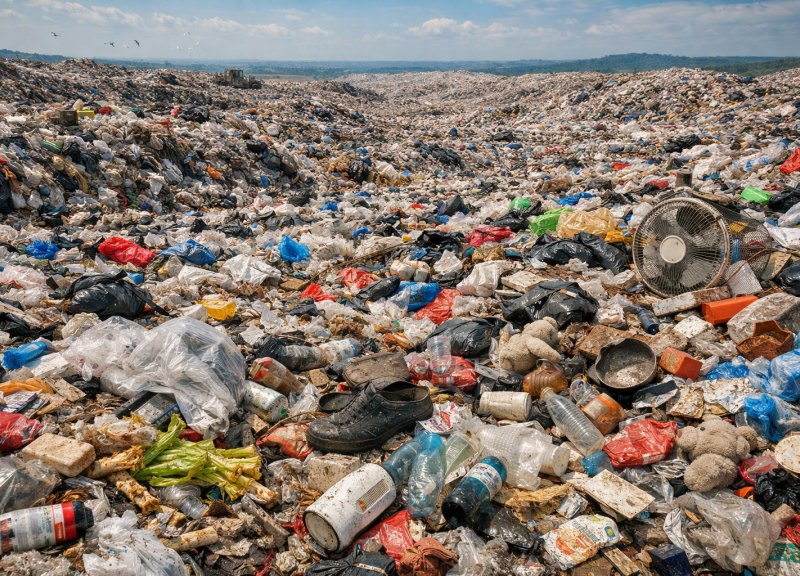
The annual collection of municipal solid waste (MSW) in China has exceeded 240 million tons, with over 70% consisting of highly complex mixed waste. For a long time, the traditional "landfill-centric, incineration-supplemented" disposal model has faced a double bind. On one hand, the looming "waste siege"—landfills are reaching capacity, and leachate threatens to contaminate soil and groundwater. On the other hand, a startling waste of resources—over 50% of mixed waste contains inherent recovery value, yet due to sorting difficulties, it ends up as "misplaced resources."

The transition to resource recovery for mixed MSW has shifted from an "option" to a "necessity." The industry's ultimate goal is clear: maximize resource utilization and approach zero landfilling. To achieve this, the core challenge of "sorting" must first be overcome.
In the past, MSW disposal relied heavily on manual labor, characterized by low efficiency, poor precision, and high health risks for workers. More importantly, manual sorting can only capture high-value items like beverage bottles and aluminum cans. Large volumes of low-value mixed plastics, films, broken glass, and mixed textiles simply cannot be effectively separated and are discarded as residual waste. Traditional mechanical sorting equipment similarly struggles with the unpredictable forms and contamination levels of mixed waste, failing to meet the purity requirements for high-value upcycling.
Today, this long-stalled path to resource recovery is undergoing a disruptive transformation. Mixed waste disposal is evolving from a labor-intensive, crude era into a new epoch of intelligent, automated, and precision sorting. Only by achieving millimeter-level sorting precision can different materials and categories be assigned to their rightful places, completing the leap from "trash" to "high-value resources."

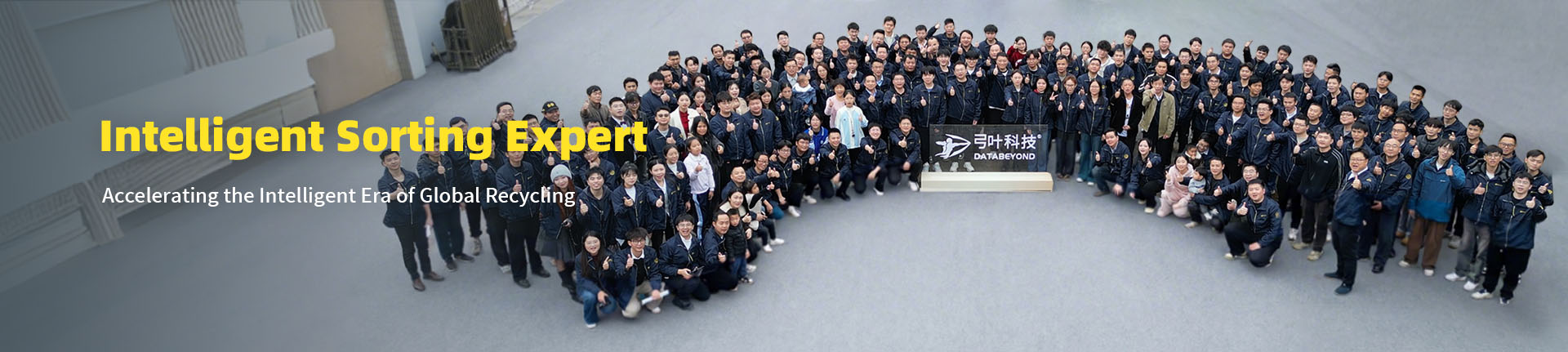
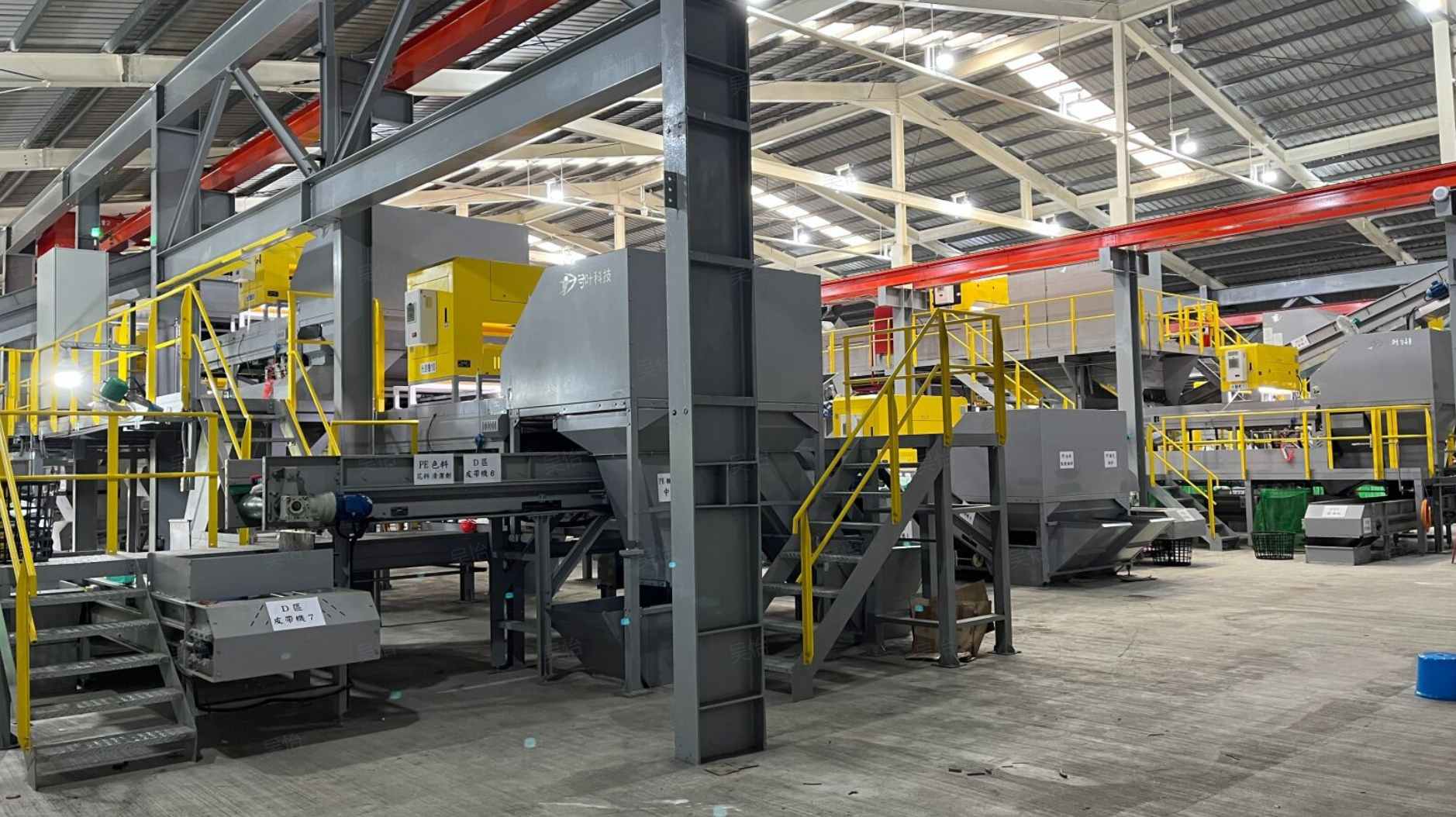
Databeyond, a long-term leader in the intelligent sorting of solid waste, stands as the pioneer and driver of this industrial revolution. For mixed MSW resource recovery, Databeyond has engineered a comprehensive, end-to-end intelligent factory solution, closing the loop from "mixed intake" to "resource output."
Databeyond has independently developed a fusion of AI and optoelectronic multi-sensor technology. By deeply integrating AI sensors, hyperspectral sensors (SPEC), fluorescence aging sensors (FLUO), metal sensors (METAL), and barrier spectral sensors (BARRIER), Databeyond has woven a flawless precision recognition network. Databeyond’s optical sorters can precisely identify all categories of materials within mixed waste—including plastics, films, organic waste, glass, paper, and metals—easily handling sorting by material, color, or degree of aging.
Once precision sorting is complete, these materials—once viewed as "waste"—begin their closed-loop journey of rebirth, with each component finding its optimal destination:
●PET Bottles: After sorting and recycling, they achieve a "Bottle-to-Bottle" food-grade closed-loop or are transformed into recycled fibers for apparel and eco-friendly building materials. A single 500ml PET bottle can be regenerated into 2 meters of recycled fiber.
●HDPE Bottles: These can be recycled into new daily chemical containers, municipal pipes, and landscaping facilities, achieving same-grade recycling and significantly reducing petroleum consumption.
●Organic Waste: Through anaerobic digestion, it is converted into biogas for power generation, while the fermentation residue becomes organic fertilizer, achieving a full organic matter cycle and preventing methane emissions.
●Plastic Films: Clean materials can be re-granulated into new plastic products, while the remainder can undergo pyrolysis into oil, thoroughly solving the disposal challenge for film waste.
●Waste Paper: Reprocessed into recycled paper; for every ton of waste paper recovered, 17 mature trees are saved, significantly reducing water pollution and landfill space.
●Waste Glass: Through high-temperature remelting, it can be infinitely recycled into new bottles, jars, and building materials. Recycling 1 ton of waste glass saves 1.2 tons of quartz sand.
●Waste Metal: Remelting and recycling for use in automotive, construction, and appliance manufacturing. The energy consumption for recycled smelting is only 5% of primary production, drastically cutting energy use and emissions.

From chaotic mixed MSW to categorized high-value recycled resources, Databeyond’s intelligent solutions not only relieve the burden on overloaded urban waste systems but also "store energy" for low-carbon social development.
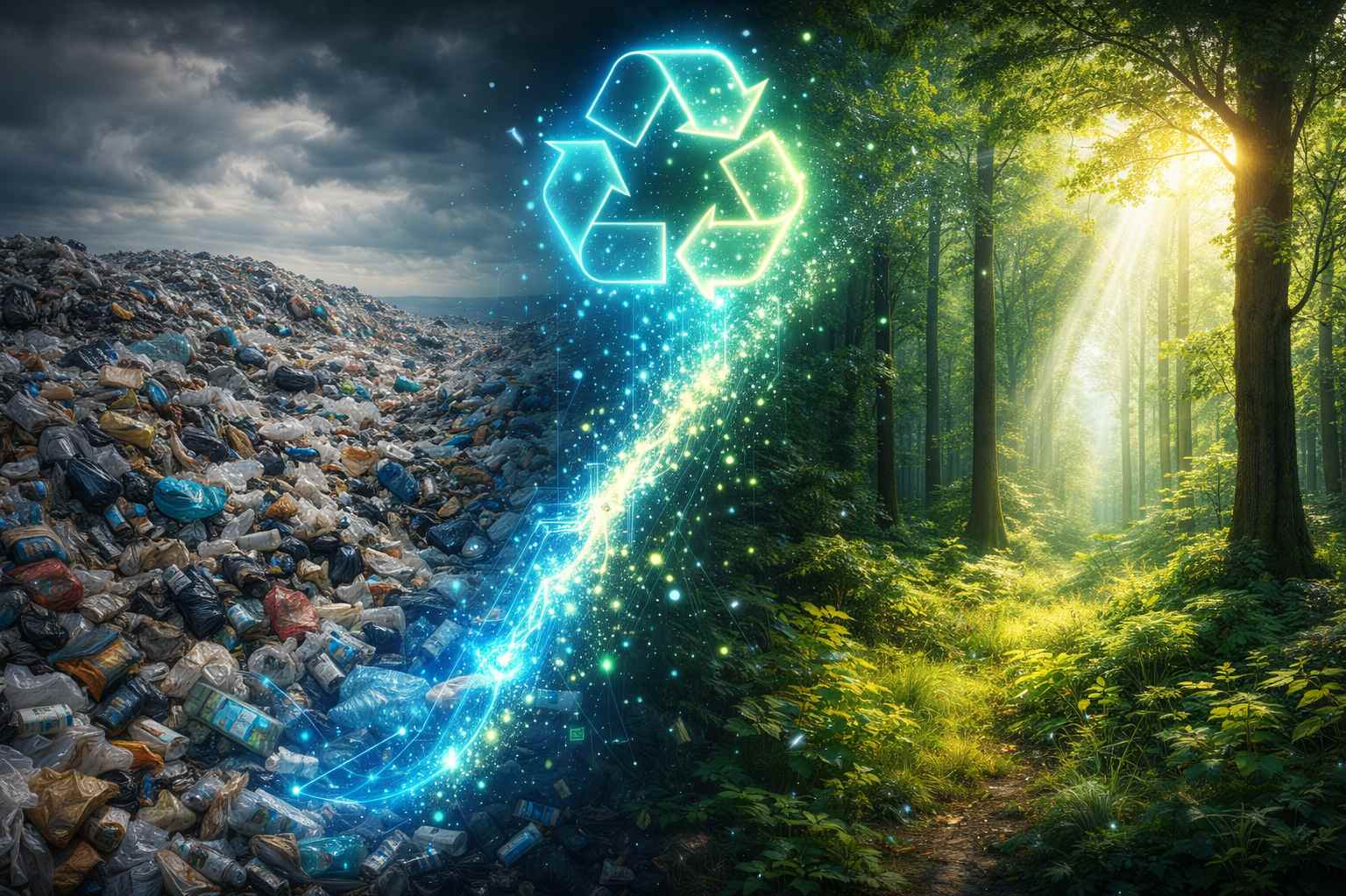
Waste is never born as waste; it is simply a resource put in the wrong place. Databeyond’s intelligent sorting technology is rewriting the fate of municipal solid waste, turning the mixed waste that once burdened our cities into valuable, circular, and high-utility resources.
伝言を残す
スキャンしてWeChatに送信 :
WhatsAppにスキャン :